How Do You Select Best Cladding For Your Building

DBF Melbourne Team • July 12, 2024

A practical description of cladding

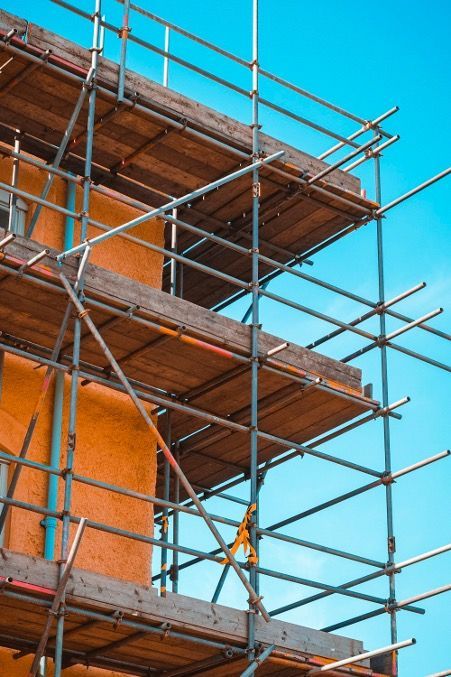
Cladding is the cover to the structure of your new building and is what staff, visitors and customer’s first see. They make their first judgement of your business based on visual appearances. 


A practical description of cladding is:


  • The external face of the wall system and it is interlinked to the structural wall behind. It is not loadbearing and acts as a weather protector (rain, solar, wind etc.). 


Your locality and climate are vital considerations. The cladding can also insulate the internal areas of your space through thermal insulation and protect it from the spread of fire and noise. Overall, it is worth spending time and giving serious thought to getting the cladding right. It reflects what you want to show to the world.


After instances of fire spreading via cladding the type selected and construction detailing will be carefully considered by the appointed building surveyors. I see this as a good thing for you, as you can feel safe that the fire protection rating shall be high.


Claddings are made from many different materials and often for each material there is a wide variety of finishes and textures. They are further mixed together with upper floors often in a different material or finish to provide a visual break or to stimulate the feel of a ‘lighter’ appearance. Consider the colour of external claddings in both warmer and cooler climates as this influences the rate of heat absorption and the ability to reflect solar gain. 


Although not considered structural inasmuch as claddings do not generally accept loadings, claddings can be used to brace lightweight structures by fixing through to solid boards. The design in such cases must ensure that ventilation, drainage, fireproofing and waterproofing are all well-thought-out and that failures will not lead to condensation in the structure or within the areas. 


Protection is important. When you select the cladding, you want the finish to remain pristine and showcase the high quality of your building. The look of the cladding can be ruined in a few short years, if you do not protect your cladding through simple design. 


The simple part of the design is what you need to do to ensure rain does not easily or without specific intention run down the face of the finished cladding. Water streaking down is so common that we are all used to the ugly black lines that appear on the external faces of buildings. They occur because the water is not directed to go elsewhere or to fall sufficiently in front of the face so as to not create streaky lines. 


You need to add a coping ,capping, rain handler, gutter or whatever fits in with your design and direct the water away. This is the simple part, the clever part is that walls that do not have rainwater running down them are much less likely to have water ingress issues. These include rain dripping onto sills and finding ways to enter through the window frames, rain finding cracks and entering the cavity, rain being blown in through directional wind or being sucked in through local air pressure. 


This rain if it does breach the cladding skin, by design it should exit the cavity by drainage channels or evaporation. However, always remember that water will find its easiest course and it is common for water ingress issues to present themselves as staining and water damage which can lead to mould growth and health issues. 


A building designed so water does not run down the face of the external walling by water falling from above is much less likely to have such problems and a building with an overhang and facia is even less likely. 


It’s a simple concept that is often not considered as we believe that all the cavity and weather breaks will stop water entering. It usually does but nothing is guaranteed. 


There are many options and choices to be considered before you select which cladding is right for your build. The final selection ought to be one of the ‘anchor’ decisions of your design. 

DBF Melbourne Team are well versed in building construction and deliver first class solutions for all commercial buildings. Why not call Mark to discuss your project.


By Mark Fitzpatrick February 19, 2026
Who Made the Team? Before you start anything at all, you decide you want to construct a new building or refurbish/ extend an existing building. From that point you usually commence in one of two ways : As client, you discuss the proposed construction work with a couple of designers to see who gels and who you could come to trust. One designer is appointed as team leader (contract administrator), layout and elevations are proposed, approved and fixed. You are aware of a builder who can do the type of job you know you want and they arrange a special design for you or they offer a standard building from their catalogue. Layouts and elevations are proposed, approved and fixed. Some clients initially prefer to appoint a Project Manager but this is relatively rare. For both 1 & 2 before submission to the planning authorities, you may need input from other consultants, perhaps not. After permission to commence work is granted, you appoint other specialist consultants who overlay their designs onto the fixed and approved scheme. What will probably occur. You will for example, engage a consultant structural engineer who will have opinions on an appropriate structure for the house. They will have considered previous land uses, adjacent trees, plants and site conditions, tested the soil type and considered the dead and live loads you are imposing. They will have looked at the layout and thought through issues leading them to conclude on a recommended foundation. The team will continue this process for each structural element of the walls, floors and roof and manufactured components such as windows, doors, and services such as heating & cooling etc. The team will complete the design to meet current regulations and this is a lot to take in and question. If you have concerns and wish to bring them forward for inclusion in the design process, then you are leaving it too late if you only know what is planned on completion by reading their drawings. For you to have an input you will need to have engaged with all the team members earlier and kept up with the design deliberations. This does not normally occur as clients do not usually have this much detailed input. Its more that you employ specialists and they bring their specifications forward in isolation. The danger in this approach is that consultants only design within their specialism. They add to what went before. They do not offer innovation, as they have pre-set guidelines to work within. Fitzpatrick Team look at things differently. We propose that the members of the consultant’s team should not work separately and just bring their expertise individually to bear on the pre-fixed proposal. They should from the beginning feel that they are in a partnership to produce the best overall solution that they can. By the specialist consultant’s early involvement, they influence choices available and selections made. Not only does their input include valuable insights and joined up technologies it also allows items that seem obvious and costly to be omitted or made redundant. The selection of one technology negates or reduces the size of another. This can produce an energy-saving design and reduce costs. The concept of how the team will operate is an excellent starting point in the earliest conversations. Discussion should include your vision for your business, and your take on sustainable design. By raising these points early in preliminary meetings, you are setting the scene for a collaborative or ‘integrative’ approach. Fitzpatrick Team are very focussed on leading the right team to deliver what you want, not what complies with a distant and out of touch regulation. Give Mark a call to discuss your project.

Melbourne Demolition and Construction Sites.
By Mark Fitzpatrick February 19, 2026
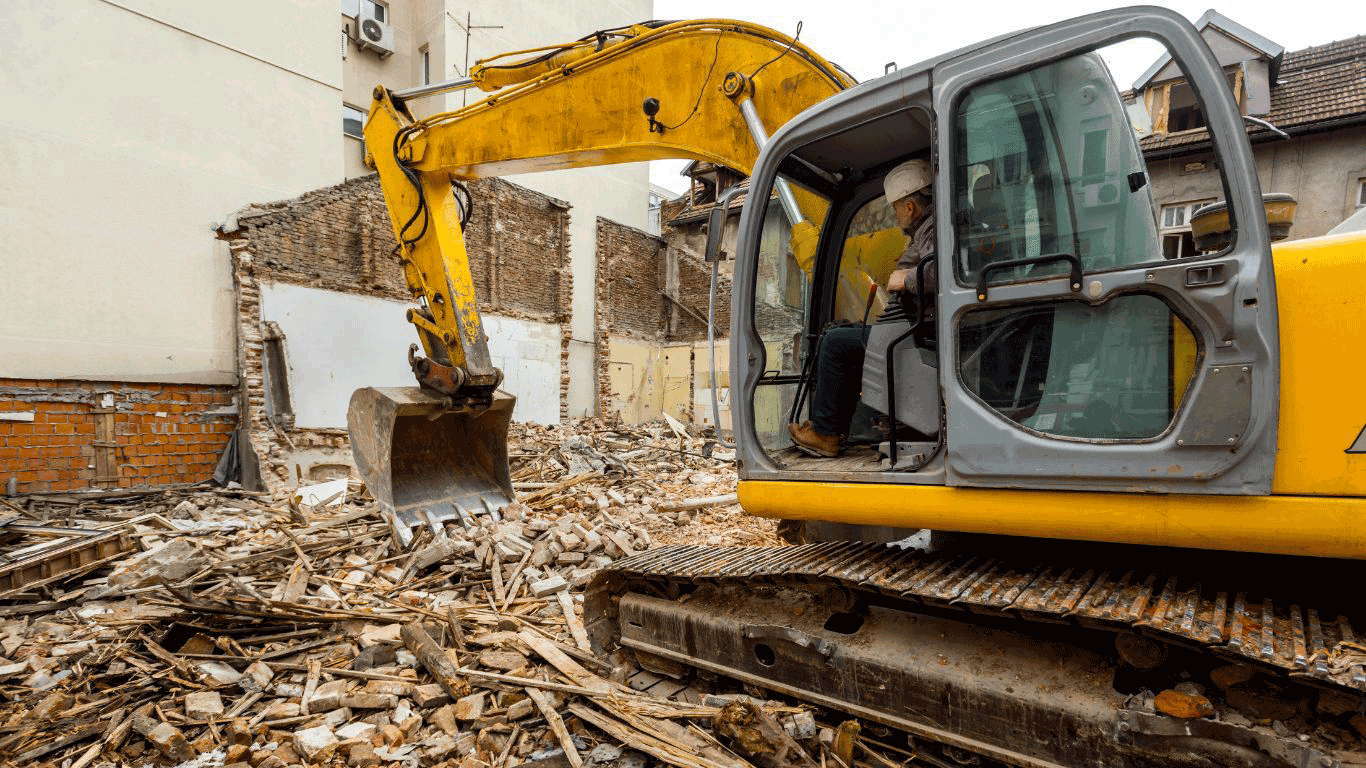
Do I need a hoarding or a security fence? In Melbourne all demolition works require secure fencing to protect passers-by and restrict access. This is invariably a temporary fence erected for the duration of the works. If the boundary is beside a public throughfare it can only be a wire security fence if the distance from the structure is more than the measurement of twice the height of the existing building. Otherwise, it must be a solid hoarding. How high should hoardings be? Australian standards call for perimeter security fences/hoardings to all building and demolition sites. The minimum height is set at 1.8m high above an adjacent public throughfare. The three most popular security fences are:- Solid Timber Solid timber hoardings are constructed by concreting large robust timber posts into the ground and fitting timber runners between. Bracing may be added for extra stability. Sheets of ply are fixed to the timber structure facing out of the site to the public area. They are often 2.4 m high as the lower minimum of 1.8m is often considered a little modest. Sheets of ply are produced at a standard 2.4 x 1.2m and this has become the default height of typical hoardings. In order to increase their aesthetic appearance, a skirting/plinth or a frame is often fixed to the external face edges. The hoarding is painted and signage fixed to the face with public warnings and information. In order to impress potential purchasers/customers or because of the prestige of the building behind hoardings are often ‘wrapped’ in a plastic sheeting with high quality images or signs. Solid Steel Solid steel is used where a solid hoarding is required but it does not have to be as robust as a timber post ply hoarding. The factory formed panels are all made to standard sizes and pre-painted. They are supported by purpose made concrete or weighted plastic feet. They are placed on the ground and do not need to be secured down as they rely on self-weight. They are coupled together laterally by connectors that are manufactured as part of the kit. Standard size gates can be included in the package. Signage can be fixed to the face of the solid panels. Wire Panel Wire panel fences are similar to solid steel although obviously they are wire with openings. They can be left as a finished product or often netting is fixed to the panels still allowing vision from external areas but stopping items protruding through the fence. The netting can be printed with information or warnings. These kits can be purchased outright or hired for the works duration. One benefit of the solid steel or wire panels is that they are speedily demountable and moveable whereas the timber fencing is static. Should Hoardings be lit in Melbourne? On Melbourne demolition sites lighting should be provided so that operations and obstructions are clearly visible. Basically, we want to protect any person working on site or passing by. So, if lighting inside the assists, then provide lighting. If lighting the hoarding prevents people or vehicles colliding with the hoarding then light the hoarding. This will be determined by an on-site risk assessment. Construction sites are similar but other concerns are also raised. It may also be a consideration that security lighting reduces the likelihood of unauthorised entry. As part of our hazard identification and site risk assessment procedure, we assess what protections and security should be in place. Give us a call to discuss risk management and protection. Do Hoardings Have to be Designed by an Engineer in Melbourne You can only erect hoardings with the land owner’s approval. Permission from a private owner can be either formal or informal. If the owner is a council or public body this is always ultra-formal and detailed authorisation is necessary. They sometimes publish application requirements on their websites and you need to follow their conditions to the letter. When you progress into discussion, they often ask you to supply structural calculations from an engineer for the hoarding to demonstrate that it will be stable. They will more than likely ask for design drawings, work plans, details of plant and tools, certificates of insurances, traffic management plans, health and safety documents etc. This leads to a formal agreement between you and the authority. Fitzpatrick’s are well versed in these negotiations and the compilation of fully compliant documentation. Give Mark a call and we can take over this for you!
By Brandon Caspersz February 19, 2026
When do you need overhead protection in Melbourne? If your Melbourne building has a street frontage or is close to it and the structure height exceeds 4.0m, you need overhead protection to safeguard members of the public. This mostly affects shops and offices you walk directly into from a public footpath. What protection must be provided? Protection is normally provided by a ‘special duty scaffold’ which by design structurally supports universally distributed live loads. It must also be designed to deflect any demolished materials back onto the scaffold and not into the public area. It is not a case of just asking that this be done – calculations, designs, safety documents etc are all required to meet building regulations. Scaffolding as overhead protection is regulated and must be in line with: AS 2601 – 2001. AS 1576 AS 1577 AS/NZS 4576 Call Fitzpatrick Team to get this right first time.
By Mark Fitzpatrick February 19, 2026
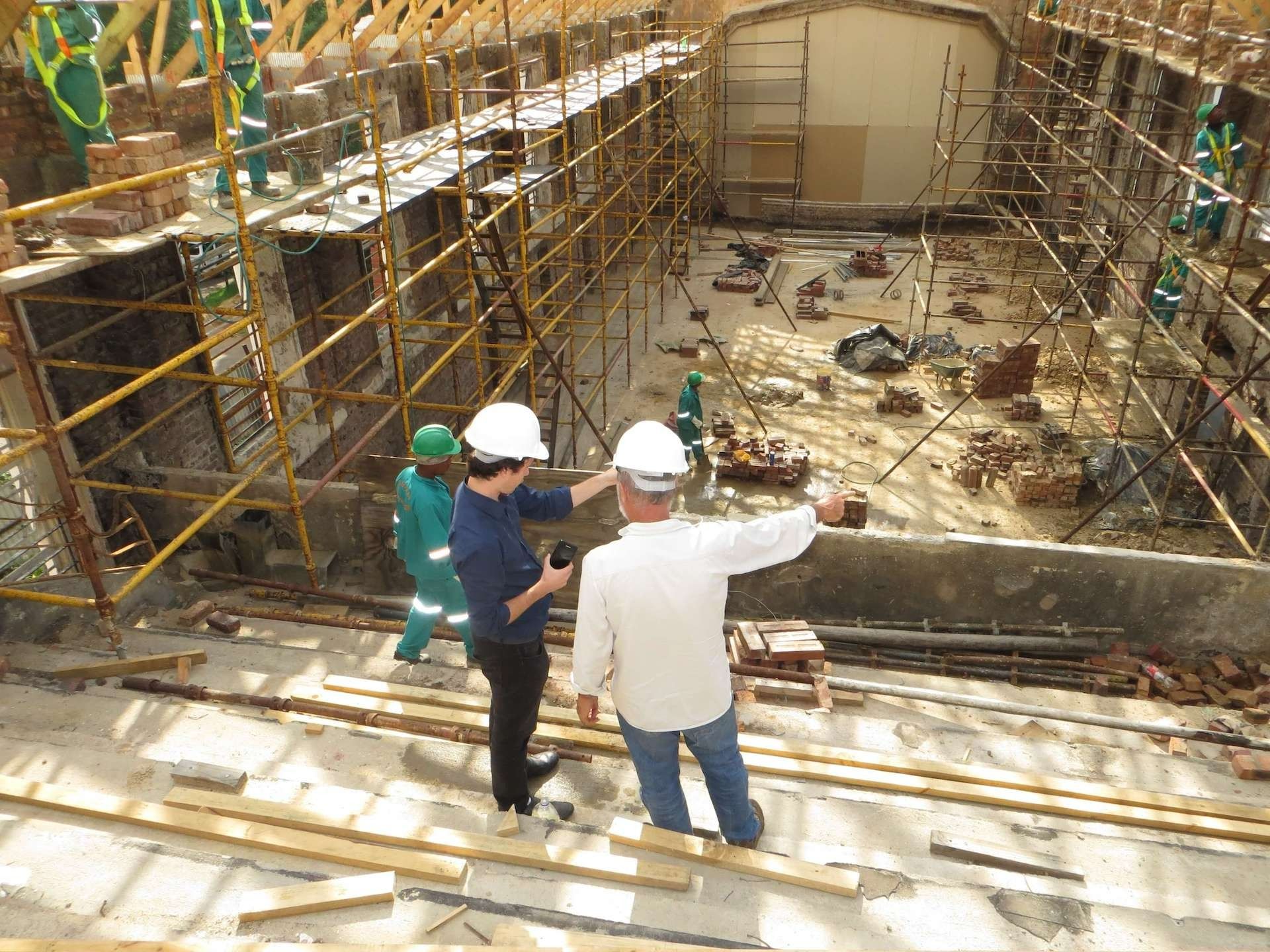
All workers and visitors to Melbourne construction sites must dress in approved safety wear and helmets. Workers must also wear approved personal protective clothing and carry personal protective equipment (PPE). The Magnificent Seven PCBU - Person Conducting a Business or Undertaking How far can the blame be spread? Construction sites can be dangerous workplaces and the essential safety workwear and PPE to keep all our workers and visitors safe should be used by all who attend your construction site. It is morally imperative that all workers, visitors and passers-by are kept safe and sound and it is a corporate responsibility that sufficient equipment is available. Precautions must be in place to ensure that not only are safe working practices carefully followed but that behaviour matches the aspiration. The Person Conducting a Business or Undertaking (PCBU) must provide sufficient resources to ensure that all contractors and operatives are fully funded to employ safe working methods. This is a catchall that covers the client as well as the builder. Q. If it all goes horribly wrong how far can the blame be spread? A. The blame can be spread far and wide and it is best avoided by taking care on how things are set up in the first place. The builder and client should work together to keep your work-site safe. The Magnificent Seven Checklist Hard hats are required to be worn by all people entering the worksite to protect them from something dropping onto their head or their heads colliding with low lying projecting object (such as a scaffold pole). AS/NZS 1801. Safety footwear protects your feet from being crushed by materials or people. AS/NZS 2210.1 and AS/NZS 2210.2 Safety gloves or mittens to protect your skin from hazardous materials or from rough surfaces or splinters. AS/NZS 2161. Hearing protection shields ears and your senses from loud noise preventing hearing loss. AS 1270. Safety glasses or eye protectors to protect your eyes from dust and dirt. AS1336 and 1337 Industrial safety belts or harnesses to provide a lifeline for people working at height. AS/NZS 1891. (all parts) Reflective clothing (Hi Viz) to make you more visible to others. Clothing should provide body protection and guard the wearer from scuffs and bruises. Bare skin on legs and arms should be protected from sun damage which leads to skin irritation and cancers. The magnificent seven are a great place to start in setting your goals for a safe workplace. Fitzpatrick’s use this checklist to ensure that all people are kept safe whether they are a visitor or on site worker. But this list is only the start, we have systems in place to keep our worksite safe. Give Mark a call and demand a safe working environment for your building works.
Gym Fitout
By DBF Melbourne May 7, 2025
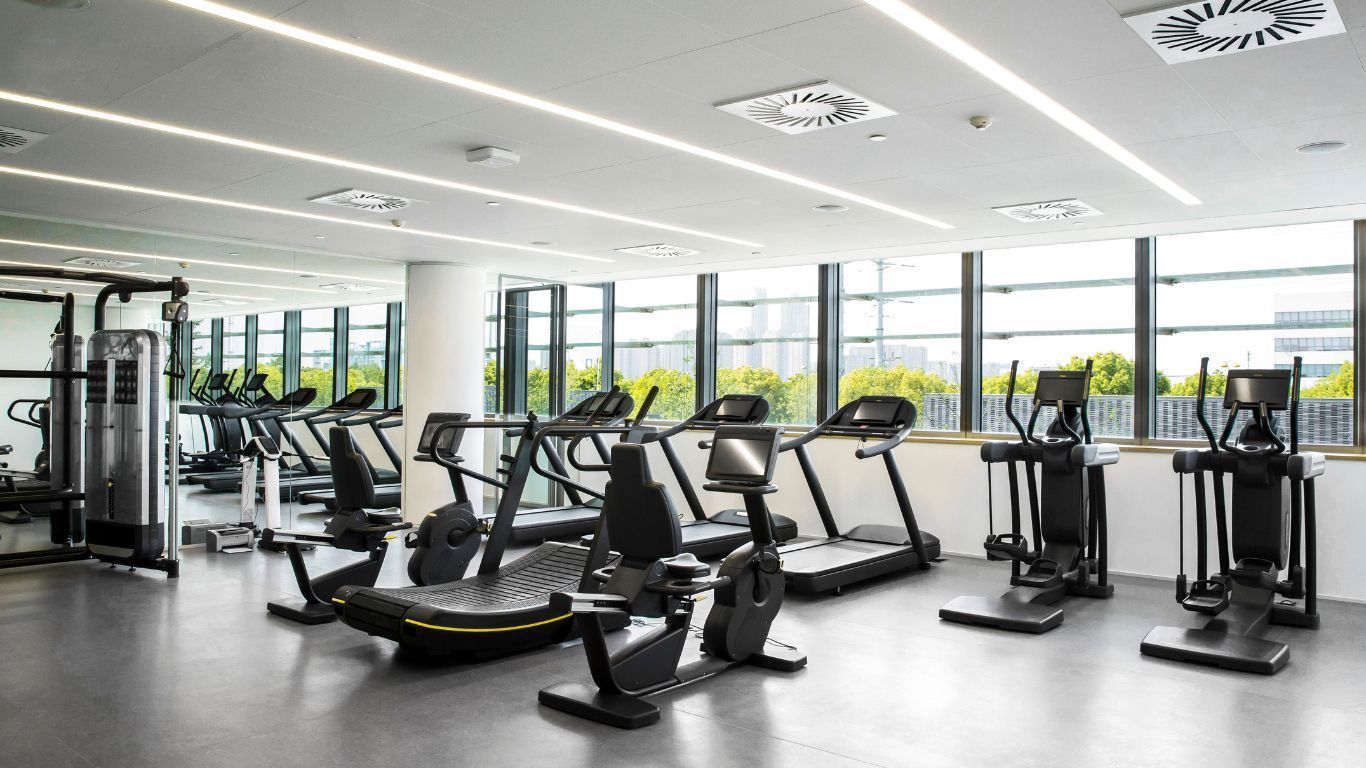
Elevate your Brighton gym with DBF Melbourne. We deliver luxury fitouts that attract and retain premium fitness clients.
By Mark Fitzpatrick April 28, 2025
While Australia's two biggest property markets continue to slow, some smaller markets are starting to post stronger growth.(ABC News: Ian Cutmore) Melbourne property prices have passed Sydney as the nation's fastest growing, although they still lagged well behind in terms of absolute cost.
By Mark Fitzpatrick April 28, 2025
Transform your financial office with DBF Melbourne. We deliver secure, compliant, and client-focused fitouts across Victoria.
Bar Fitout
By Mark Fitzpatrick April 22, 2025
Design your dream cocktail bar in Mordialloc with DBF Melbourne. Discover key design tips, functionality advice, and expert local construction support
A group of people are sitting at desks in an office.
By Mark Fitzpatrick April 7, 2025
Create a productive office in Dandenong with DBF Melbourne. We deliver tailored fitout solutions that boost functionality and team collaboration.
Residential Demolition
By Mark Fitzpatrick April 1, 2025
Elevate your Brighton gym with DBF Melbourne. We create luxurious fitouts that attract and retain high-end fitness clients.
More Posts