
Hoardings to Melbourne Demolition and Construction Sites
Do I need a hoarding or a security fence?
In Melbourne all demolition works require secure fencing to protect passers-by and restrict access. This is invariably a temporary fence erected for the duration of the works. If the boundary is beside a public throughfare it can only be a wire security fence if the distance from the structure is more than the measurement of twice the height of the existing building. Otherwise, it must be a solid hoarding.
How high should hoardings be?
Australian standards call for perimeter security fences/hoardings to all building and demolition sites. The minimum height is set at 1.8m high above an adjacent public throughfare.
The three most popular security fences are:-
Solid Timber
Solid timber hoardings are constructed by concreting large robust timber posts into the ground and fitting timber runners between. Bracing may be added for extra stability. Sheets of ply are fixed to the timber structure facing out of the site to the public area. They are often 2.4 m high as the lower minimum of 1.8m is often considered a little modest. Sheets of ply are produced at a standard 2.4 x 1.2m and this has become the default height of typical hoardings.
In order to increase their aesthetic appearance, a skirting/plinth or a frame is often fixed to the external face edges. The hoarding is painted and signage fixed to the face with public warnings and information. In order to impress potential purchasers/customers or because of the prestige of the building behind hoardings are often ‘wrapped’ in a plastic sheeting with high quality images or signs.
Solid Steel
Solid steel is used where a solid hoarding is required but it does not have to be as robust as a timber post ply hoarding. The factory formed panels are all made to standard sizes and pre-painted. They are supported by purpose made concrete or weighted plastic feet. They are placed on the ground and do not need to be secured down as they rely on self-weight.
They are coupled together laterally by connectors that are manufactured as part of the kit. Standard size gates can be included in the package. Signage can be fixed to the face of the solid panels.
Wire Panel
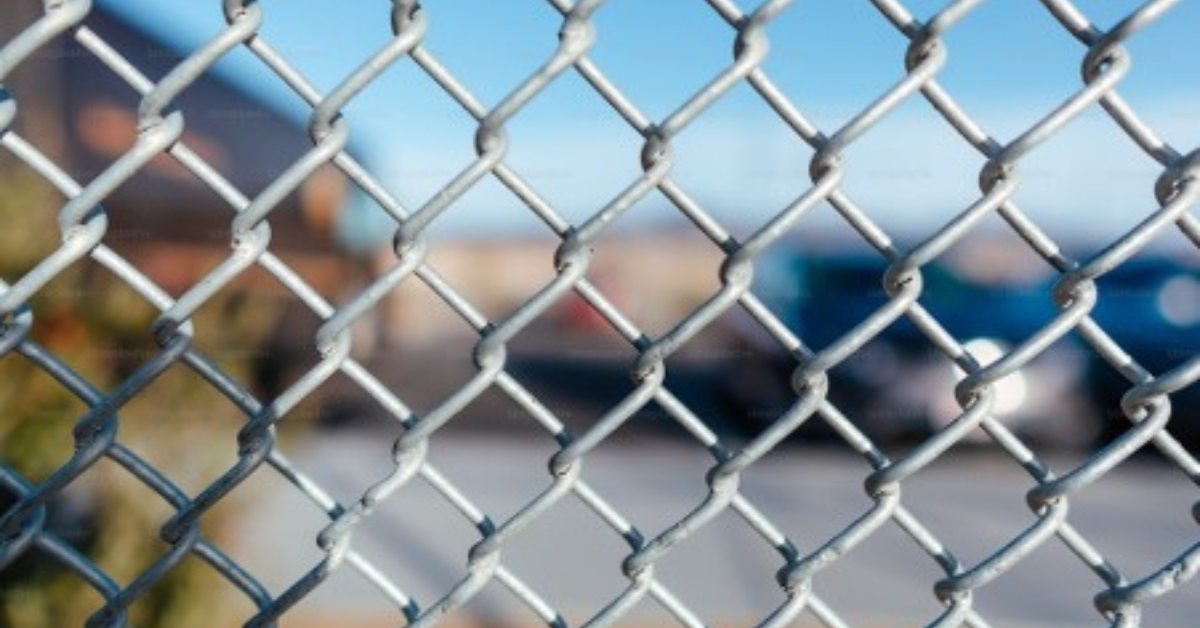
Wire panel fences are similar to solid steel although obviously they are wire with openings. They can be left as a finished product or often netting is fixed to the panels still allowing vision from external areas but stopping items protruding through the fence. The netting can be printed with information or warnings. These kits can be purchased outright or hired for the works duration.
One benefit of the solid steel or wire panels is that they are speedily demountable and moveable whereas the timber fencing is static.
Should Hoardings be lit in Melbourne?
On Melbourne demolition sites lighting should be provided so that operations and obstructions are clearly visible. Basically, we want to protect any person working on site or passing by. So, if lighting inside the assists, then provide lighting. If lighting the hoarding prevents people or vehicles colliding with the hoarding then light the hoarding. This will be determined by an on-site risk assessment.
Construction sites are similar but other concerns are also raised. It may also be a consideration that security lighting reduces the likelihood of unauthorised entry.
As part of our hazard identification and site risk assessment procedure, we assess what protections and security should be in place. Give us a call to discuss risk management and protection.
Do Hoardings Have to be Designed by an Engineer in Melbourne
You can only erect hoardings with the land owner’s approval. Permission from a private owner can be either formal or informal. If the owner is a council or public body this is always ultra-formal and detailed authorisation is necessary. They sometimes publish application requirements on their websites and you need to follow their conditions to the letter. When you progress into discussion, they often ask you to supply structural calculations from an engineer for the hoarding to demonstrate that it will be stable. They will more than likely ask for design drawings, work plans, details of plant and tools, certificates of insurances, traffic management plans, health and safety documents etc. This leads to a formal agreement between you and the authority.
Fitzpatrick’s are well versed in these negotiations and the compilation of fully compliant documentation.
Give Mark a call and we can take over this for you!